- All
- Product Name
- Product Keyword
- Product Model
- Product Summary
- Product Description
- Multi Field Search
Views: 0 Author: Site Editor Publish Time: 2024-09-08 Origin: Site


Cooler boxes are indispensable for outdoor activities, camping, fishing, and even transporting perishable goods over long distances. With multiple brands and models available, finding the cooler box that keeps ice the longest is a common concern among factories, distributors, and retailers. This is particularly important for professionals in the outdoor and recreational industries, as well as businesses involved in the sale of perishable goods. This research paper aims to address which cooler box offers the best ice retention capabilities, examining factors such as insulation, design, and construction processes like those using a two-arms rotational molding machine. Additionally, it will explore customer preferences and performance metrics.
Before diving into which cooler box keeps ice the longest, it's essential to understand the key factors influencing ice retention. This includes the insulation type, thickness of the walls, the material used in construction, and other features like sealing and portability. Premium coolers, particularly those built using rotational molding technology, are known for their superior ice retention capabilities. We'll also review how these coolers perform under different environmental conditions and user scenarios.
The most critical factor in determining how long a cooler can keep ice is the quality of its insulation. Cooler boxes with thick, high-density foam insulation tend to perform better in retaining ice. In particular, polyurethane foam is commonly used in premium coolers. This material offers excellent thermal resistance, preventing heat from entering the cooler and melting the ice.
For instance, products like the rotomolded cooler boxes manufactured with high-grade polyurethane foam have been shown to retain ice for up to 10 days in optimal conditions. This makes them ideal for long trips where access to fresh ice may be limited. These coolers generally feature at least 2-inch thick walls, which significantly extend the duration of ice retention compared to cheaper, thin-walled alternatives.
The seal and lid design play a crucial role in minimizing air exchange between the cooler's interior and the external environment. Coolers with freezer-grade gaskets, like those found in Pelican Elite coolers, create an airtight seal that helps lock in the cold air and prevent heat from entering. This reduces the melting rate of the ice.
Additionally, lids with interlocking mechanisms ensure that the seal remains intact, even during rough handling. Some coolers also feature pressure-release valves, which help maintain the internal pressure and further enhance ice retention. This is particularly important for coolers used in high-altitude or extreme temperature environments.
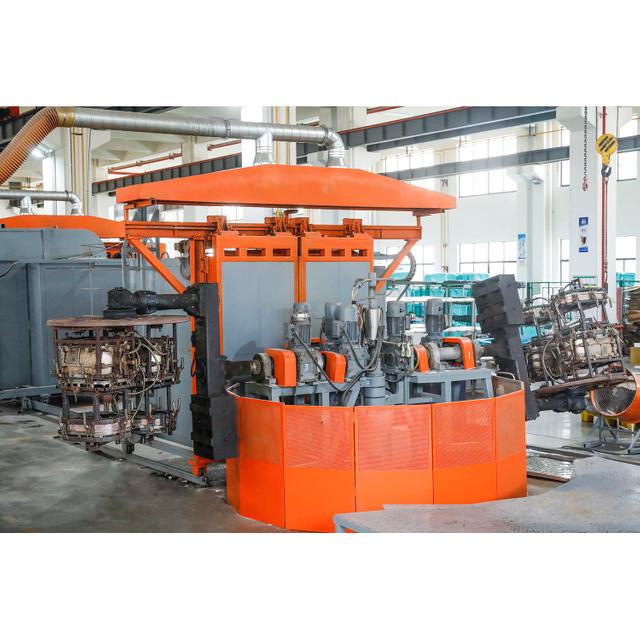
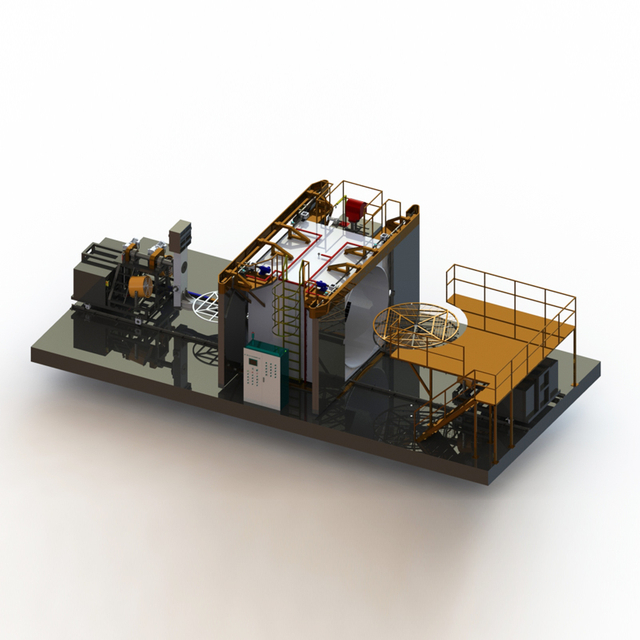
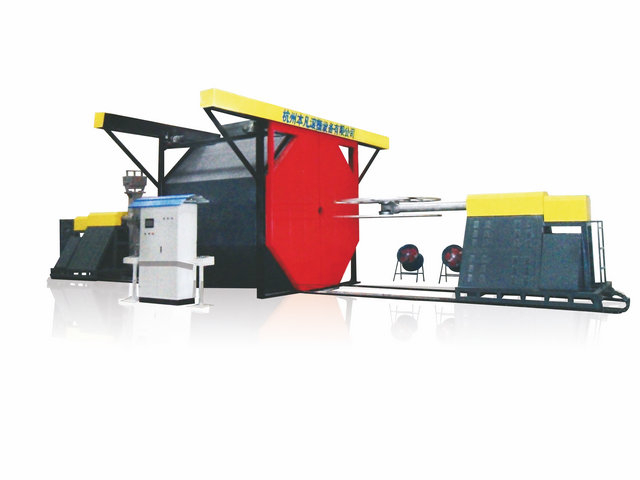
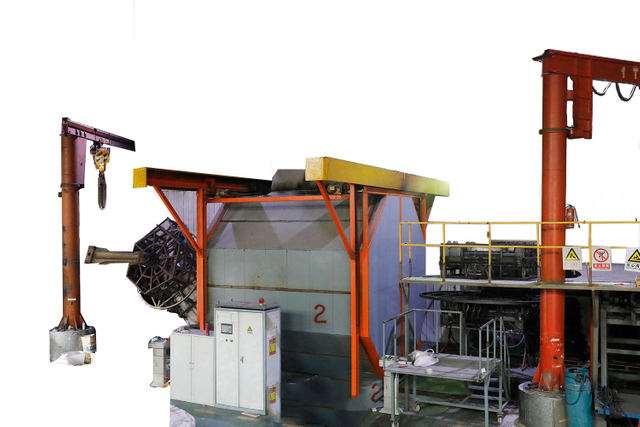
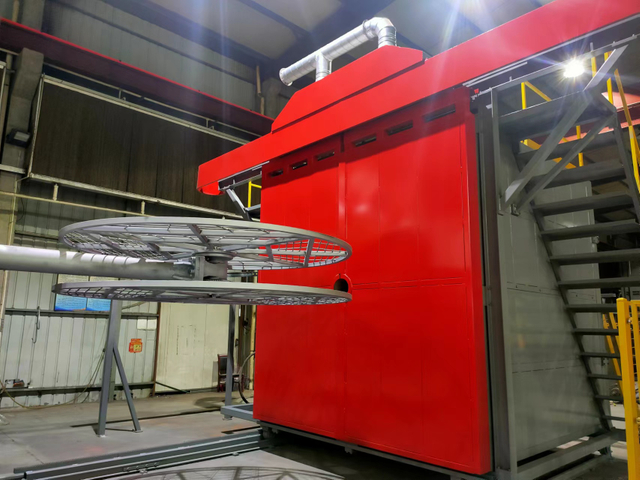
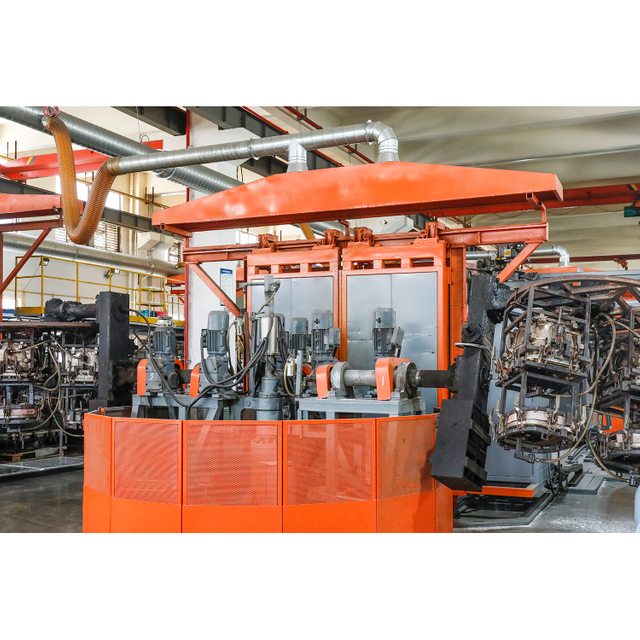
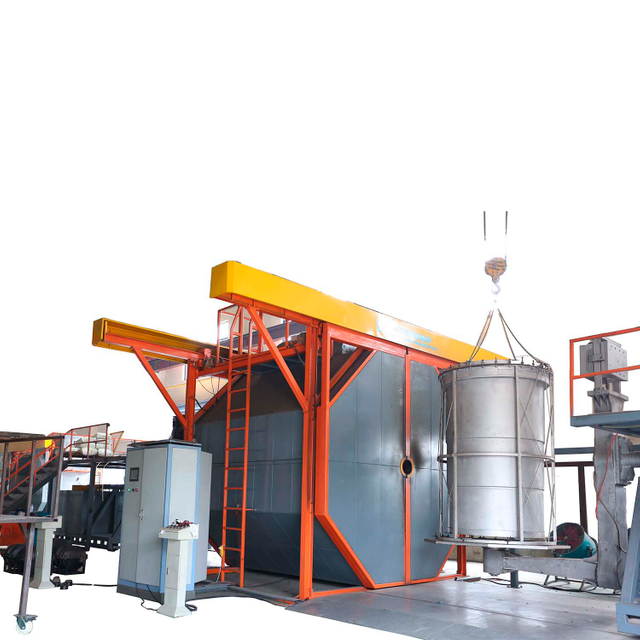
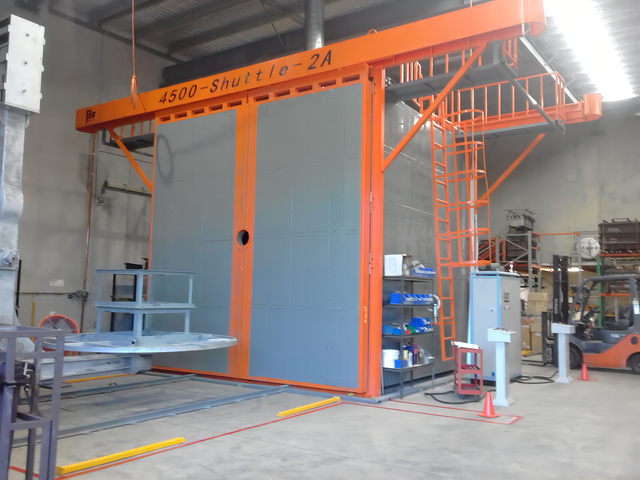
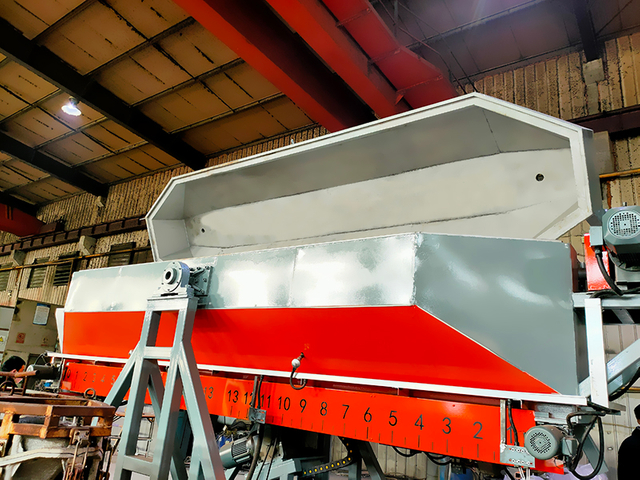
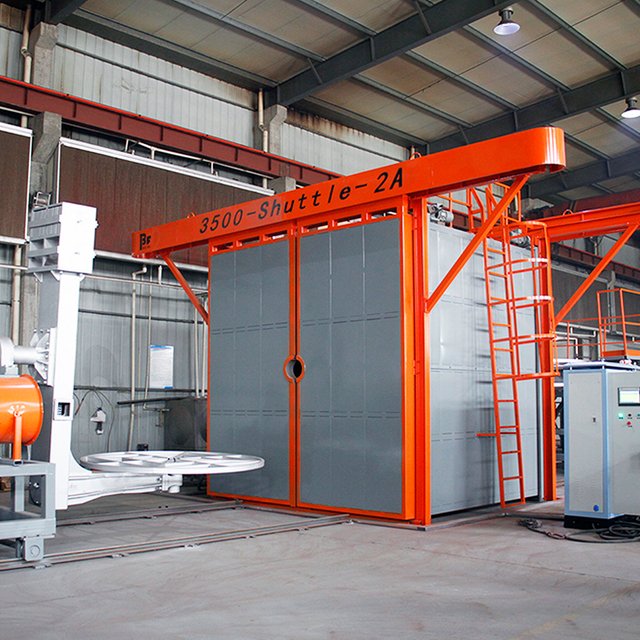
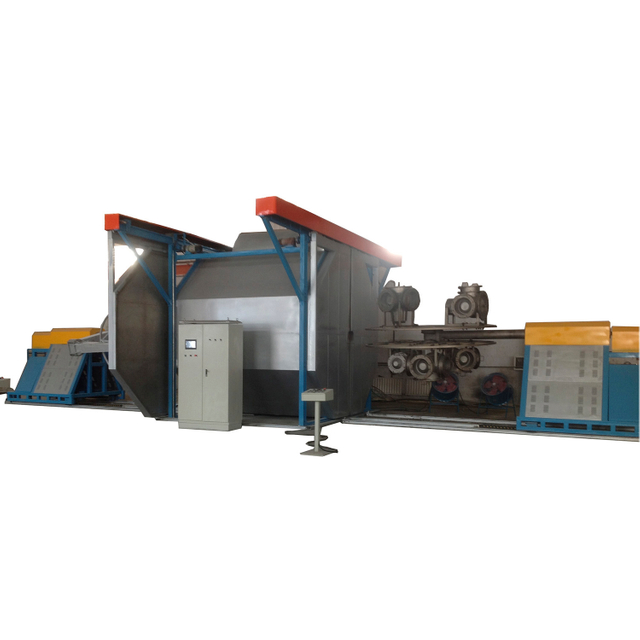
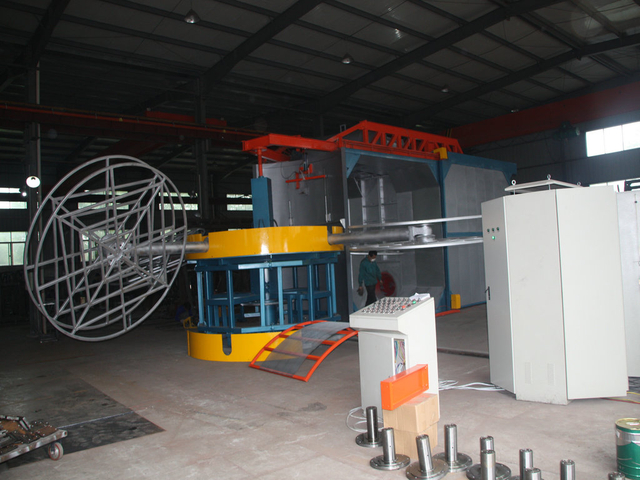
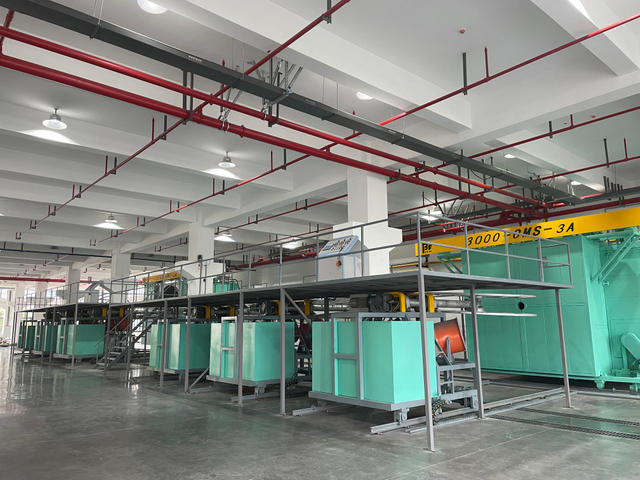
Coolers constructed using two-arms rotational molding machines are known for their durability and superior insulation properties. Rotational molding involves heating plastic material in a mold, which is then rotated to ensure an even distribution of the material across the mold’s surface. This process results in a single-piece, hollow structure with no seams or joints, making it highly resistant to cracking, leaks, and temperature fluctuations.
Rotomolded coolers, such as those produced using industrial-grade rotational molding machines, have thicker walls and superior structural integrity. This not only enhances ice retention but also ensures that the cooler can withstand the rough handling often associated with outdoor use. These coolers are particularly popular among campers, fishermen, and outdoor enthusiasts who require a durable, long-lasting solution for keeping food and beverages cold.
The external temperature, humidity, and exposure to direct sunlight can all affect how long a cooler keeps ice. In hot climates, coolers with UV-resistant exteriors, like the Coleman Xtreme 5 Marine Cooler, perform better because they reflect rather than absorb heat. In contrast, coolers without UV protection may suffer from faster heat absorption, causing the ice to melt more quickly.
High-altitude environments may also pose challenges for ice retention due to lower atmospheric pressure, which can cause a cooler's seal to malfunction. This can result in quicker air exchange and faster ice melting. However, coolers equipped with pressure-release valves can mitigate these effects, making them more suitable for such conditions.
The Igloo Polar Hard Cooler is a favorite among users for its large size and ability to keep ice for up to 5 days. Customers appreciate its ample storage capacity, making it ideal for large gatherings and extended camping trips. However, the durability of the hinges and handles has been a point of concern. Despite this, the cooler's ice retention capability remains one of its most lauded features.
Ice Retention: Up to 5 days
Capacity: Large enough for extended trips
Pros: Excellent value for money, good ice retention
Cons: Durability issues with hinges and handles
The Coleman 316 Series Insulated Portable Cooler is renowned for its ice retention capability, keeping ice for several days, even in hot weather. This cooler features a large storage capacity and is designed for heavy-duty outdoor use. However, some users have reported issues with misleading product descriptions and the durability of its handles and hinges. Despite these drawbacks, it remains a top choice for campers and outdoor enthusiasts.
Ice Retention: Up to 6 days
Capacity: Ideal for large gatherings
Pros: Excellent ice retention, large capacity
Cons: Durability issues, misleading product descriptions
For those seeking a lightweight, portable option, the RTIC Soft Pack Cooler is highly recommended. It offers excellent ice retention for its size, thanks to its high-density closed-cell foam insulation. This cooler is perfect for day trips or short outings. However, it lacks the capacity and ice retention duration of hard coolers, making it less suitable for extended trips.
Ice Retention: Up to 3 days
Capacity: Smaller, ideal for day trips
Pros: Lightweight, portable, good insulation
Cons: Limited capacity, shorter ice retention duration
In analyzing customer feedback, a few key trends emerge regarding cooler box preferences. Customers prioritize effective insulation, ample storage capacity, and durability. Many users of premium coolers like the Pelican Elite or Yeti Tundra highlight their ability to retain ice for up to 10 days, thanks to their advanced insulation and durable construction. For these customers, price is often secondary to performance, especially for those who frequently engage in outdoor activities like fishing, hunting, and long-distance camping.
On the other hand, mid-range coolers like the Coleman 316 Series strike a balance between performance and affordability. These coolers are popular among weekend campers and outdoor enthusiasts who require good ice retention but are not willing to invest in premium products. Despite some durability concerns, these coolers are generally seen as offering good value for money.
When deciding which cooler box keeps ice the longest, the choice often comes down to the intended use. For long-term outings where ice retention is critical, premium coolers like those built using two-arms rotational molding machines offer superior performance. These coolers feature thick insulation, airtight seals, and rugged durability, ensuring they can retain ice for up to 10 days under optimal conditions.
For users who need a balance between cost and performance, mid-range coolers like the Coleman 316 Series provide good ice retention for up to 6 days, making them ideal for weekend trips and casual outdoor activities. Ultimately, the right cooler depends on the user’s specific needs, the length of the trip, and environmental conditions. By understanding the key factors affecting ice retention, businesses can make informed decisions when choosing the best cooler for their customers.