- All
- Product Name
- Product Keyword
- Product Model
- Product Summary
- Product Description
- Multi Field Search
Views: 0 Author: Site Editor Publish Time: 2024-09-28 Origin: Site


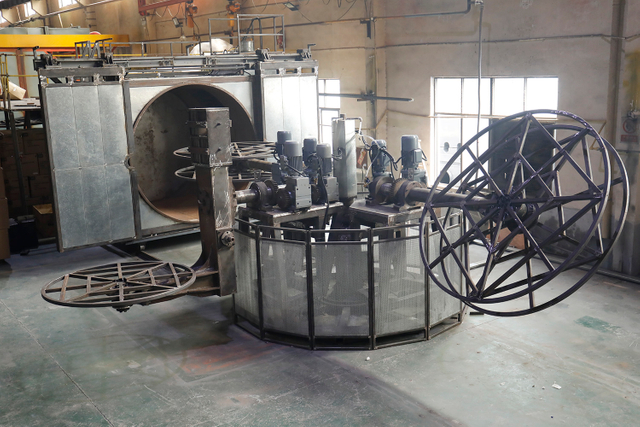
Rotational molding, also known as rotomolding, is a versatile manufacturing process used to create hollow plastic products. This method involves heating a plastic material in a mold and rotating it along two perpendicular axes to ensure uniform distribution of the material. The resulting products are seamless, durable, and can range in size and complexity, making rotational molding ideal for various industries, including water tanks, septic tanks, kayaks, and playground equipment.
This article will provide an in-depth analysis of how rotational molding works, emphasizing its applications, advantages, and the growing demand for **PE Septic tank mold** in various industries. It will also explore how distributors and manufacturers can optimize their processes to meet the needs of the modern market. For more insights, you can refer to the PE Septic tank mold resource.
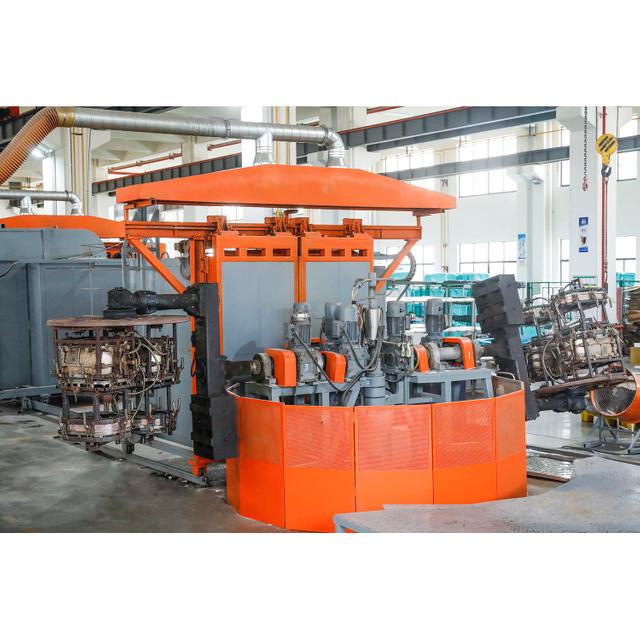
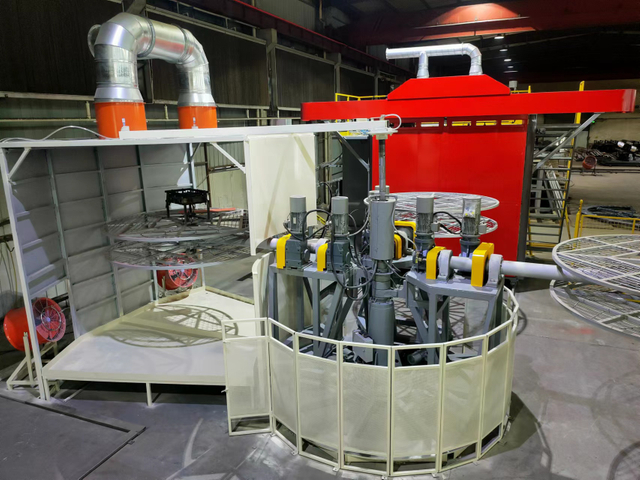
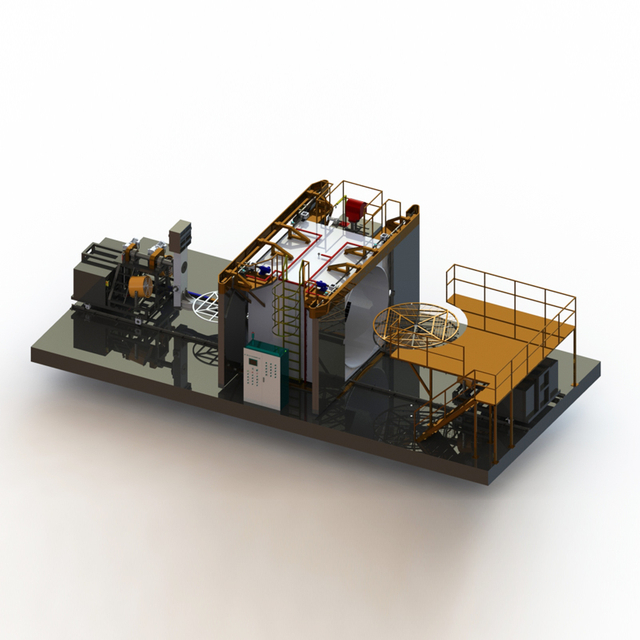
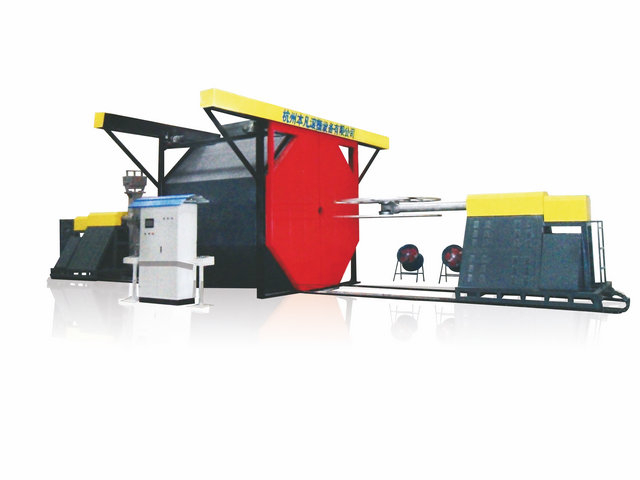
Rotational molding involves a four-step process: loading, heating, cooling, and unloading. Unlike other plastic forming methods, such as injection or blow molding, rotomolding uses heat and motion to produce hollow parts, ensuring even wall thickness and strong, durable products. Let’s dive deeper into the process.
The first step is loading the mold with plastic resin, typically in powder form. The plastic used in rotational molding can vary, with polyethylene (PE) being the most common due to its strength, durability, and cost-effectiveness. For example, molds like the **PE Septic tank mold** are designed to ensure precise shapes for septic tanks and other large containers.
The amount of resin loaded into the mold determines the final product's wall thickness. Once the mold is loaded, it is closed and sealed tightly to ensure no material escapes during the process.
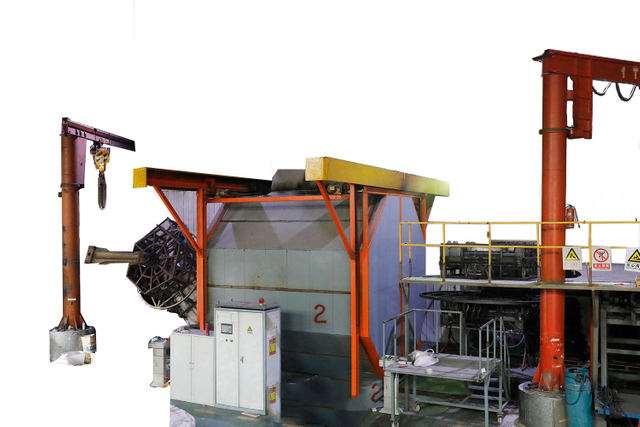
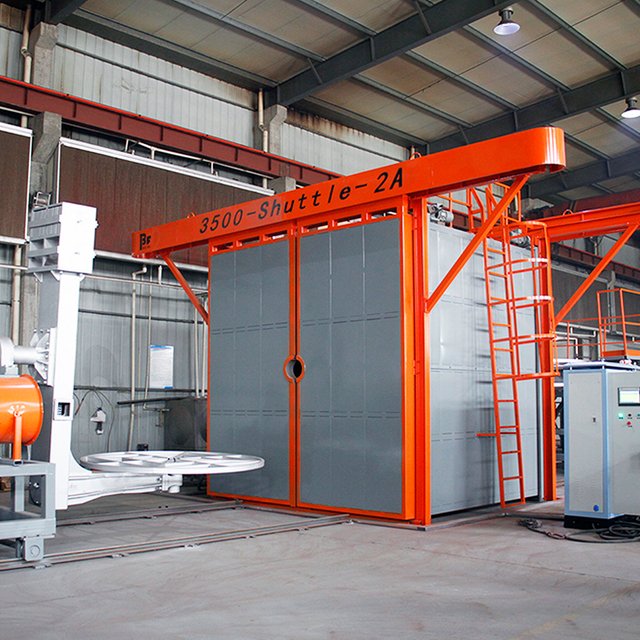
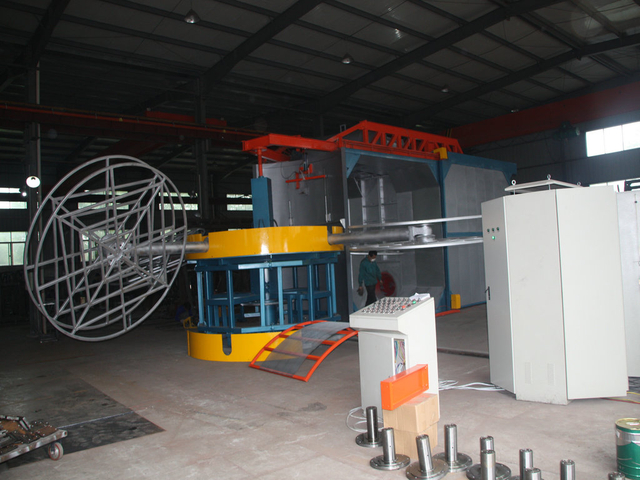
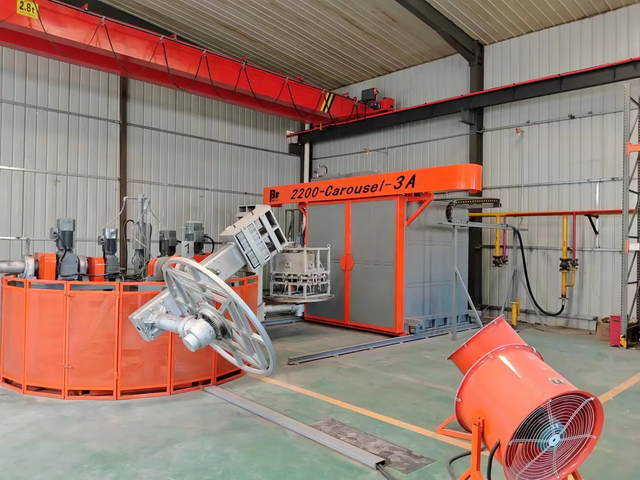
The next step is to heat the mold while it rotates around two axes (biaxial rotation). The mold is placed in an oven where it is heated to a temperature between 500°F and 700°F (260°C to 370°C), depending on the material used. During this time, the plastic powder inside the mold melts and coats the interior walls evenly.
The rotation ensures that the melted resin adheres to every surface of the mold, creating a uniform layer. This is particularly important for products such as **PE Septic tank molds** that require even thickness to maintain structural integrity.
After the heating phase, the mold is moved to a cooling chamber, where it is cooled using air, water, or a combination of both. Cooling is a crucial step as it solidifies the melted plastic into the desired shape. The cooling time varies based on the product's size and complexity.
Careful cooling is essential to prevent warping or deformation, especially for large products like **PE septic tanks**. This step ensures that the product retains its shape and structural strength.
Once the product has cooled, the mold is opened, and the finished item is removed. The product is now a hollow plastic object with even wall thickness and no seams. The mold can then be prepared for the next cycle, making rotational molding a highly efficient process for large-scale production.
For companies looking to streamline their production processes, molds like the PE Septic tank mold are ideal for manufacturing large, durable septic tanks efficiently and consistently.
Rotational molding offers several advantages over other manufacturing methods. These benefits make it the preferred choice for producing large, hollow, and complex plastic products across various industries.
Rotomolding is a cost-effective production process, especially for large products. The molds used in rotational molding are relatively inexpensive compared to those used in injection molding. This cost efficiency makes it ideal for producing items like **PE septic tanks**, which require large, custom molds.
One of the key benefits of rotational molding is the ability to create products with uniform wall thickness. This is particularly important for products like **PE septic tanks** that need to withstand pressure and environmental factors. The even distribution of material during the molding process ensures the product's durability and performance.
Rotomolding offers a high degree of design flexibility, allowing manufacturers to create complex shapes and sizes without seams or joints. This flexibility is crucial for industries that require customized products, such as large water tanks, septic tanks, and industrial containers.
With molds like the PE Septic tank mold, manufacturers can create durable and intricate designs to meet specific customer requirements.
Products made using rotational molding are known for their durability. The seamless nature of the products ensures they are resistant to leaks, cracks, and other forms of damage. This durability is essential for items like **PE septic tanks**, which must perform reliably for years in harsh conditions.
Rotational molding is an environmentally friendly process that produces minimal waste. Unlike injection molding, where excess material is often trimmed off, rotomolding uses only the exact amount of plastic required for the product. This efficiency not only reduces waste but also lowers material costs.
Rotational molding is used in various industries due to its versatility and ability to produce durable, hollow products. Below are some common applications:
**Water Tanks**: Rotomolded water tanks are commonly used in residential, commercial, and industrial applications. They are highly durable and can be customized in various sizes and shapes.
**Septic Tanks**: Molds like the **PE Septic tank mold** are used to create large, durable septic tanks that can withstand underground pressure and environmental factors.
**Kayaks and Boats**: The rotomolding process is ideal for creating hollow products like kayaks and small boats, ensuring they are seamless and buoyant.
**Playground Equipment**: Rotomolded playground equipment is safe, durable, and weather-resistant, making it suitable for outdoor use.
**Industrial Containers**: Rotational molding is used to produce a wide range of industrial containers, including chemical storage tanks, bins, and hoppers.
Despite its many advantages, rotational molding faces some challenges. For instance, the cycle times are longer compared to other molding methods, such as injection molding. Additionally, achieving extremely fine details can be more difficult with rotomolding.
However, advancements in mold design and material technology are helping to address these challenges. For example, the development of specialized **PE Septic tank molds** has improved the precision and quality of large, complex products like septic tanks.
New materials, such as advanced polyethylene compounds, are being developed to enhance the performance of rotomolded products. These materials offer improved strength, UV resistance, and chemical resistance, making them suitable for a wider range of applications. For instance, **PE septic tanks** made from these materials are more durable and resistant to environmental factors.
The future of rotational molding will likely see increased automation to improve efficiency and reduce cycle times. Automated systems can control the heating, cooling, and rotation processes more precisely, resulting in faster production cycles and higher-quality products.
For manufacturers looking to invest in cutting-edge technology, systems like the **PE Septic tank mold** offer a glimpse into the future of efficient, automated rotational molding.
Rotational molding is a highly versatile and cost-effective method for producing durable, hollow plastic products. The process offers numerous advantages, such as uniform wall thickness, design flexibility, and reduced waste. Products like **PE septic tanks**, kayaks, and industrial containers are prime examples of what can be achieved through this process.
As the industry continues to evolve, innovations in materials and automation will further enhance the capabilities of rotational molding. Manufacturers, distributors, and channel partners should stay informed about these developments to remain competitive in the market.