- All
- Product Name
- Product Keyword
- Product Model
- Product Summary
- Product Description
- Multi Field Search
Views: 0 Author: Site Editor Publish Time: 2024-09-19 Origin: Site


Rotational molding, or rotomolding, is a manufacturing process used to create hollow plastic products. The process involves heating plastic powder in a mold while rotating it on multiple axes to ensure uniform distribution. This technique is widely used in industries producing items like water tanks, playground equipment, and kayaks. Factories, distributors, and channel partners benefit from its cost-efficiency, durability, and versatility. Understanding how to rotomold plastic is crucial for businesses aiming to diversify their product offerings and improve manufacturing efficiency.
This paper will explore the step-by-step process of rotomolding, the machinery used, including the Durable Rotomoulding Machine, and the material choices. We will also delve into the advantages of using rotomolding machines over other plastic molding techniques and examine industry best practices to enhance productivity and product quality.
The rotomolding process is relatively simple but involves several critical steps to ensure high-quality output. Below is a detailed breakdown of each stage:
The process starts by preparing the mold. Typically made of aluminum or steel, the mold is thoroughly cleaned to remove any debris or residues that could affect the final product’s surface finish. The mold is then coated with a release agent to ensure the plastic part can be easily removed once the process is complete.
Next, a precise amount of plastic resin, usually in powder form, is loaded into the mold. The most common material used in rotomolding is polyethylene (PE), but other materials like polyvinyl chloride (PVC), polypropylene (PP), and nylon are also used depending on the product’s requirements. The mold is then closed, and the material is ready for heating.
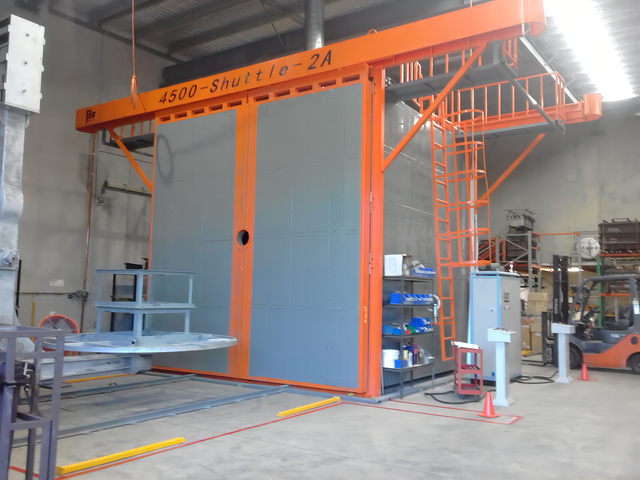
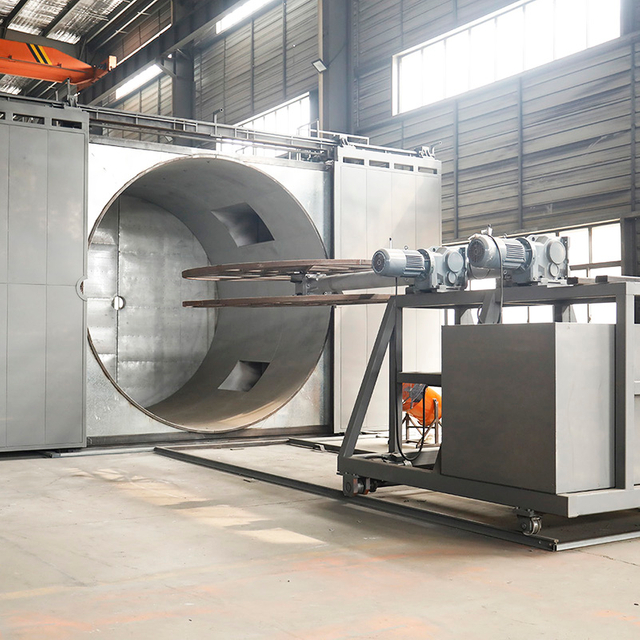
The mold is then placed into a heated chamber where it rotates on two perpendicular axes. The rotation ensures that the plastic powder coats the interior surface of the mold evenly, forming a uniform layer as it melts. Rotational molding machines, like the Shuttle Rotational Molding Machine, offer efficient heating and rotation capabilities, ensuring optimal distribution of the resin.
The heating time varies depending on the type of plastic and the mold’s size, but the aim is to achieve a uniform thickness across the entire mold. The temperature is carefully controlled to avoid material degradation or excessive thinning.
Once the plastic has evenly coated the mold, the heating stops, and the mold enters the cooling phase. This step is critical for solidifying the plastic and ensuring it retains its shape. Cooling can be done with either air, water, or a combination of both. Some advanced machines, such as the Automatic Rotational Molding Machine, feature controlled cooling systems that improve cycle times and product quality.
Once cooled, the mold is opened, and the newly formed plastic product is removed. The part may undergo secondary processes such as trimming, drilling, or adding additional components, depending on its application. This final step ensures the product meets the required specifications for dimensions, durability, and finish.
Rotational molding offers several distinct advantages over other plastic molding methods, such as injection or blow molding:
Cost-Effectiveness: Rotomolding is more cost-effective for manufacturing large, hollow products due to the low mold costs and minimal waste produced during the process.
Durability: Products made through rotomolding, like water tanks or kayaks, are highly durable and resistant to cracking or breaking, thanks to the uniform wall thickness.
Design Flexibility: The process allows for complex shapes and designs, including undercuts and intricate details, which may be challenging to achieve with other molding techniques.
Material Efficiency: Nearly 100% of the raw material is used, making the process environmentally friendly with minimal waste.
Versatility: Rotomolding can work with various plastic materials, including polyethylene, polypropylene, and PVC, enabling a broad range of product applications.
The effectiveness of the rotomolding process largely depends on the machinery used. Several types of machines are available, each suited to different production needs. Factories and distributors must carefully choose the right machine to ensure product quality and production efficiency.
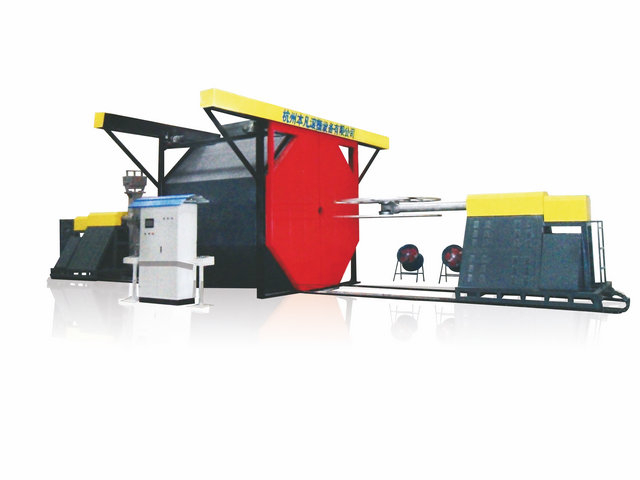
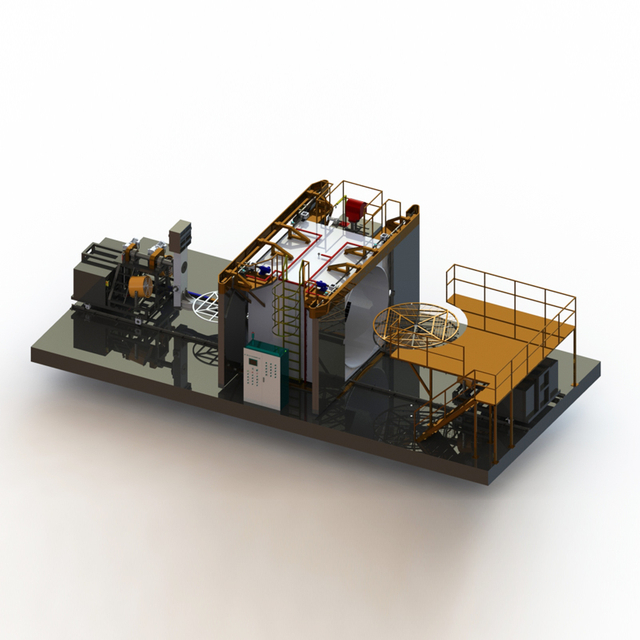
Shuttle rotomolding machines are versatile and are often used for medium to large production runs. These machines allow molds to be loaded, heated, and cooled in separate stations, improving efficiency and reducing cycle times. The Plastic Rotomolding Machine is an excellent example, offering high output and precise temperature control.
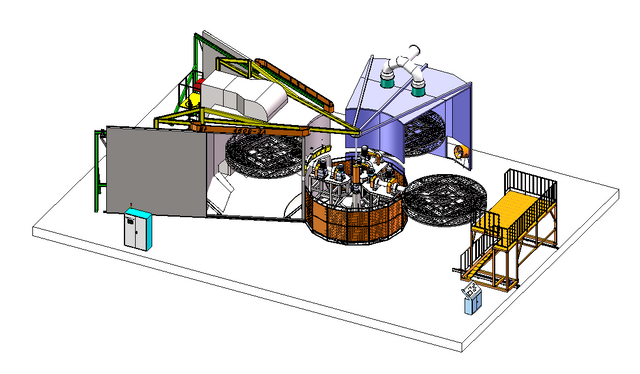
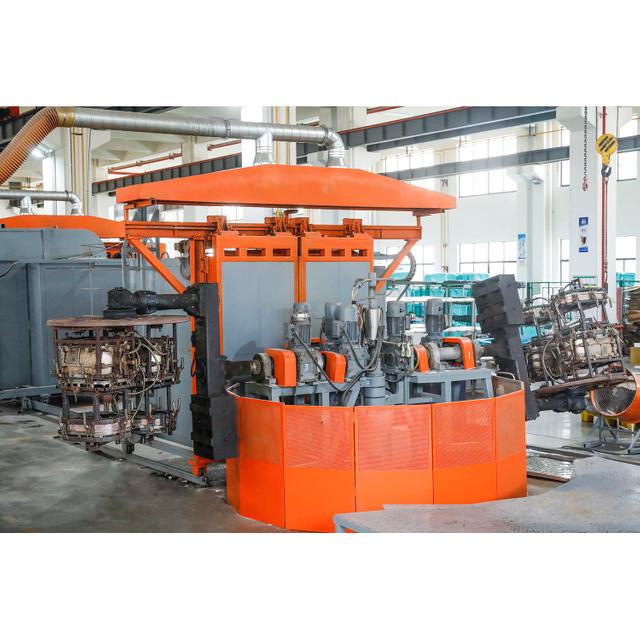
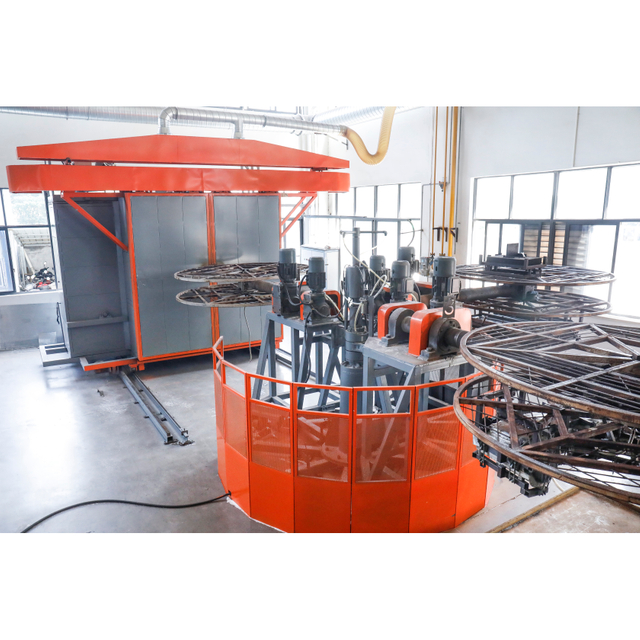
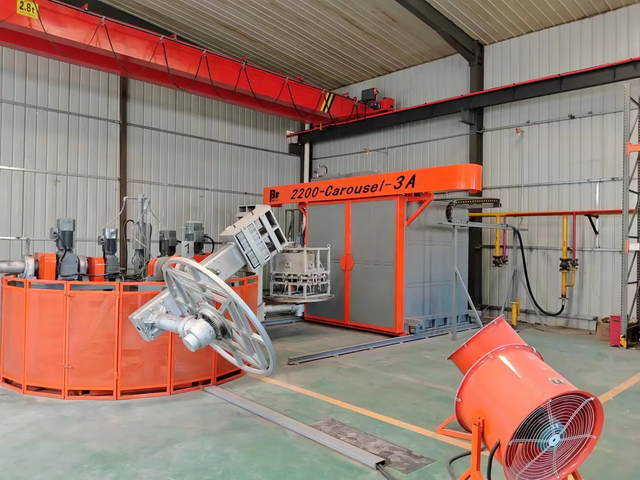
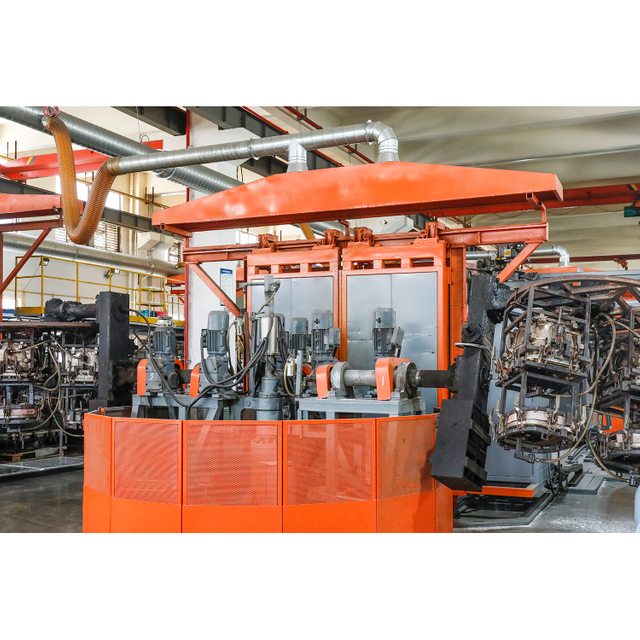
Carousel rotomolding machines feature multiple arms that rotate molds in and out of the heating and cooling chambers. This allows for continuous production, making them ideal for high-volume operations. The Carrousel Rotational Molding Machine is widely used for producing large, hollow parts like water tanks and playground equipment.
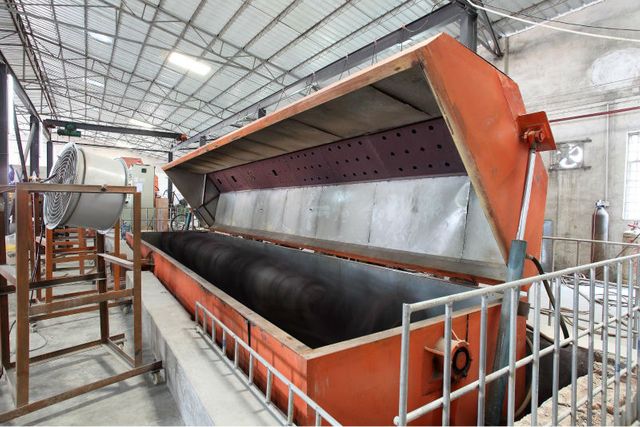
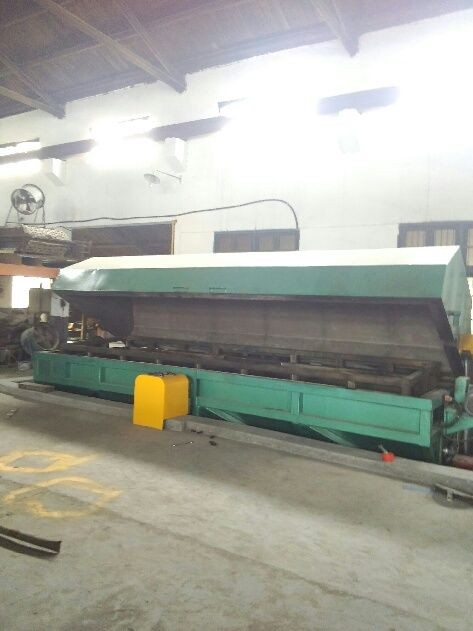
Rock and roll machines are specialized for long, narrow parts such as kayaks or pipes. These machines rotate on one axis while rocking the mold back and forth, ensuring even distribution of the plastic material. The Rock and Roll Oven Rotomoulding Machine is a popular choice for manufacturers in this niche.
Selecting the right material is crucial to achieving the desired properties in the final product. Several plastics can be used in rotomolding, each offering different benefits:
| Material | Characteristics | Applications |
|---|---|---|
| Polyethylene (PE) | High flexibility, impact resistance, and chemical resistance | Water tanks, playground equipment, kayaks |
| Polypropylene (PP) | High stiffness, good fatigue resistance | Automotive parts, storage containers |
| Polyvinyl Chloride (PVC) | Durable, flame-resistant, good weather resistance | Pipes, outdoor furniture |
Rotomolding offers businesses a flexible, durable, and cost-effective manufacturing solution for producing a wide range of plastic products. With advancements in machinery like the Automatic Rotational Molding Machine and improvements in material selection, companies can now achieve higher efficiency and better product quality.
For factories, distributors, and channel partners, understanding the intricacies of the rotomolding process and selecting the right machines and materials is essential for staying competitive in the market. By investing in modern machinery like the Durable Rotomoulding Machine, businesses can improve their production capabilities and meet the growing demand for high-quality plastic products.